Platinum vs White Gold vs Yellow Gold vs Rose Gold: The Singapore Buyer's Guide
The metal you choose is just as important as the diamond. Here's how to decide with confidence.
If you've started researching engagement rings, you've likely hit this question early: Platinum, White Gold, Rose or Yellow gold? Most people assume it comes down to personal taste. In reality, your lifestyle, skin tone, budget, and even Singapore's humidity all play a role in what will look and wear best for decades to come.
At August Bespoke, we work with Platinum, Yellow gold, White gold, and Rose gold every day. Here's our honest, practical guide to help you choose the right metal for your ring.
Not sure which metal suits her best? Book a consultation and we'll help you decide.
The Basics: What Are You Actually Choosing Between?

August Bespoke’s Metal Choices - Preview from our custom Wedding Band Builder
Before diving into a comparison, it helps to understand what each metal actually is.
Yellow gold in fine jewellery is typically 14K or 18K. Pure gold (24K) is too soft to wear daily, so it's alloyed with metals like copper and zinc to add durability. 18K gold is 75% pure gold; 14K is 58.5%. The higher the karatage, the richer and more saturated the colour.
White gold is gold in its natural state (yellow) alloyed with white metals such as palladium or nickel, then finished with a rhodium plating that gives it a bright, silvery appearance. That plating gives white gold its signature appearance. This key detail most don’t know about matters enormously, as you will see later on.
Rose gold is yellow gold alloyed with copper, which gives it its warm, pinkish hue. It has seen a strong resurgence in Singapore's fine jewelry market and pairs beautifully with both warm and cool skin tones.
Platinum is an entirely different metal altogether: naturally white, significantly denser than gold, and genuinely rare. It is not gold at all, which is why it sits in a different price category.
The Key Difference Most People Miss: White Gold Can Be Replated to Look Brand New
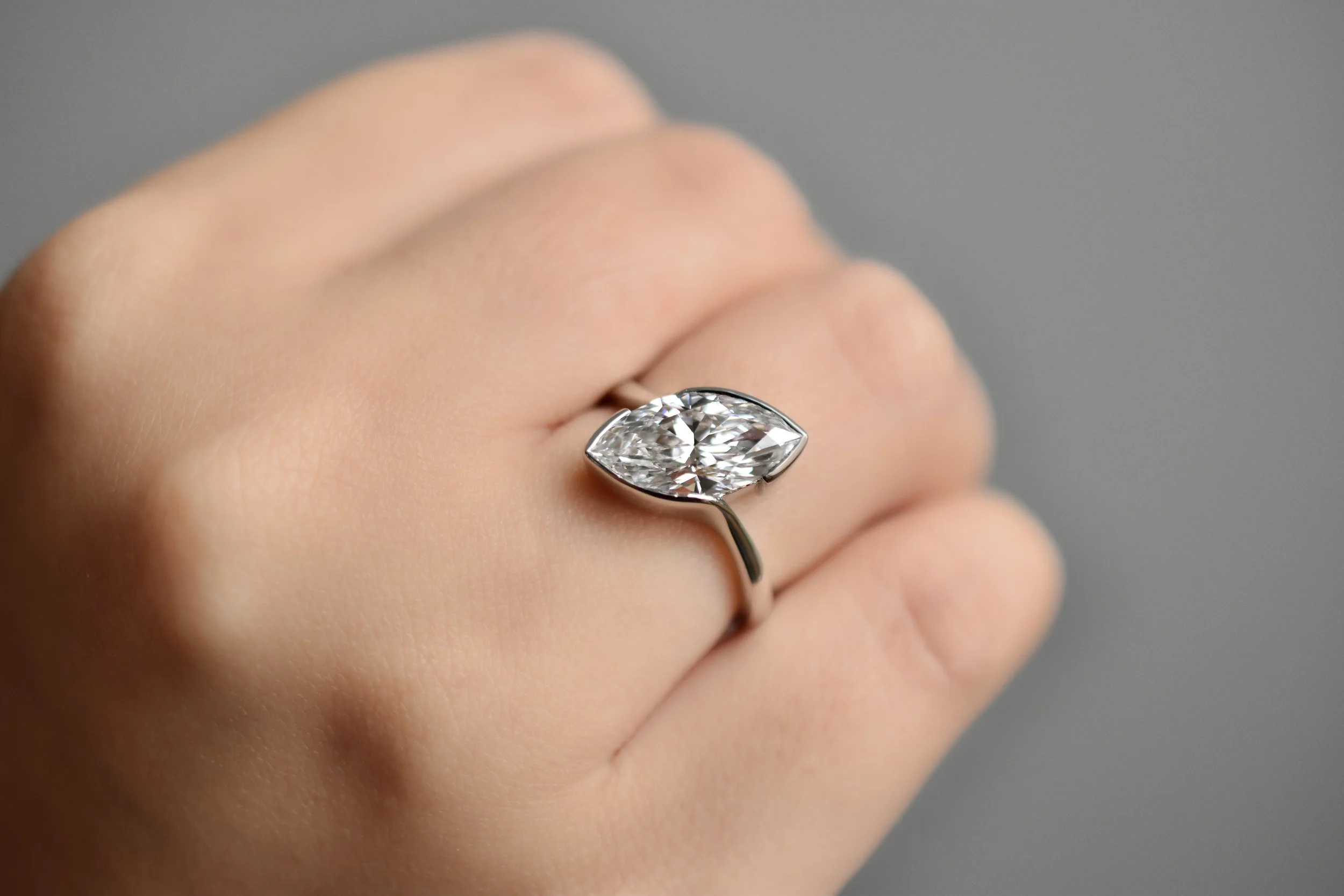
August Bespoke’s Firda Diagonal Marquise Diamond Ring in White Gold
This is the most important practical point in this entire article.
White gold gets its bright, silver-white appearance from a rhodium plating applied at the surface. Over time, that plating naturally wears away with daily use, gradually revealing the slightly warmer, yellowish tone of the gold beneath. How quickly this happens depends on how you take care of your ring and your lifestyle, but most people find that their white gold ring needs replating every one to three years to maintain that crisp, bright white look.
The good news: replating is straightforward and relatively inexpensive. After replating, your ring looks completely brand new. This is one of the reasons we generally recommend gold, whether white, yellow or rose, for most of our clients. With the right care and occasional replating, a gold ring can have its original beauty restored.
Platinum, by contrast, does not require replating, but it is a softer metal that is less resistant to scratches than gold. Over time, it will develop a natural patina as the metal moves with wear. For some clients, this gives platinum a softer, more muted finish that they find characterful. Others prefer the high-shine look of white gold and choose the latter because platinum's patina is harder to fully reverse even with professional polishing. It will never look quite as bright as it did the day it was made.
Neither choice is wrong. But it is worth knowing what you are signing up for.
Platinum vs Gold: The Honest Comparison
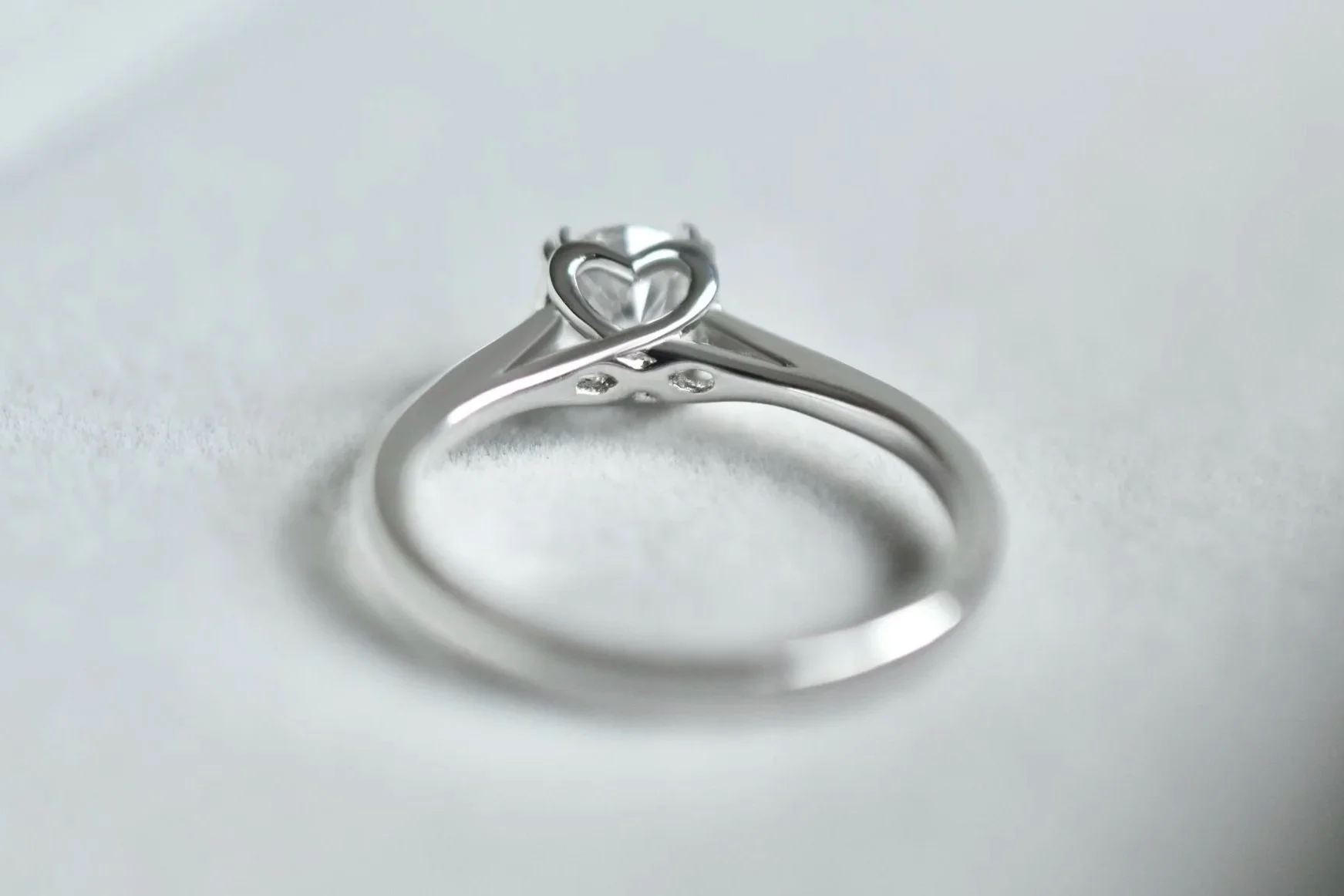
Platinum is naturally white and exceptionally dense, which gives your rings a distinctive heft
Weight and feel
Platinum is noticeably heavier than gold. A platinum ring will feel more substantial on the finger, which some clients love as a signal of quality and permanence. If she prefers delicate jewellery, a lighter gold setting may be more comfortable for daily wear in Singapore's heat.
Price
Platinum is significantly more expensive than gold, both for the metal itself and for the craftsmanship, as it is trickier to work with. For many clients, they choose to invest this price difference in a higher quality diamond or gemstone, which tends to have a larger visual impact than the metal choice alone.
Durability in Singapore's climate
Singapore's heat and humidity are genuinely worth factoring in. Both platinum and gold are non-reactive metals that will not tarnish or corrode in a tropical climate. Sweat, humidity, and daily wear affect neither significantly. The more relevant durability question is scratch resistance. While Platinum is denser and does not lose metal when scratched, it is less scratch resistant, so it can scuff and dent more easily.
On the other hand, white gold is an intrinsically strong metal that scratches less easily and retains finer details like milgrain better over time. While it can technically wear away at the base over the course of decades, it should not deter you from choosing this beautiful option if you wear it with care.
Skin sensitivity
Platinum is naturally hypoallergenic, making it the strongest choice for anyone with sensitive skin or known metal allergies. It contains no alloy metals that can cause reactions. White gold, by contrast, sometimes contains nickel, which is one of the more common contact allergens. If your partner has ever reacted to costume jewellery or cheaper metals, platinum is worth serious consideration on this basis alone. Yellow gold and rose gold at 18K are also relatively gentle on sensitive skin given their higher gold content, but platinum remains the gold standard for those who need it.
Yellow Gold: The Timeless Choice Making a Strong Return
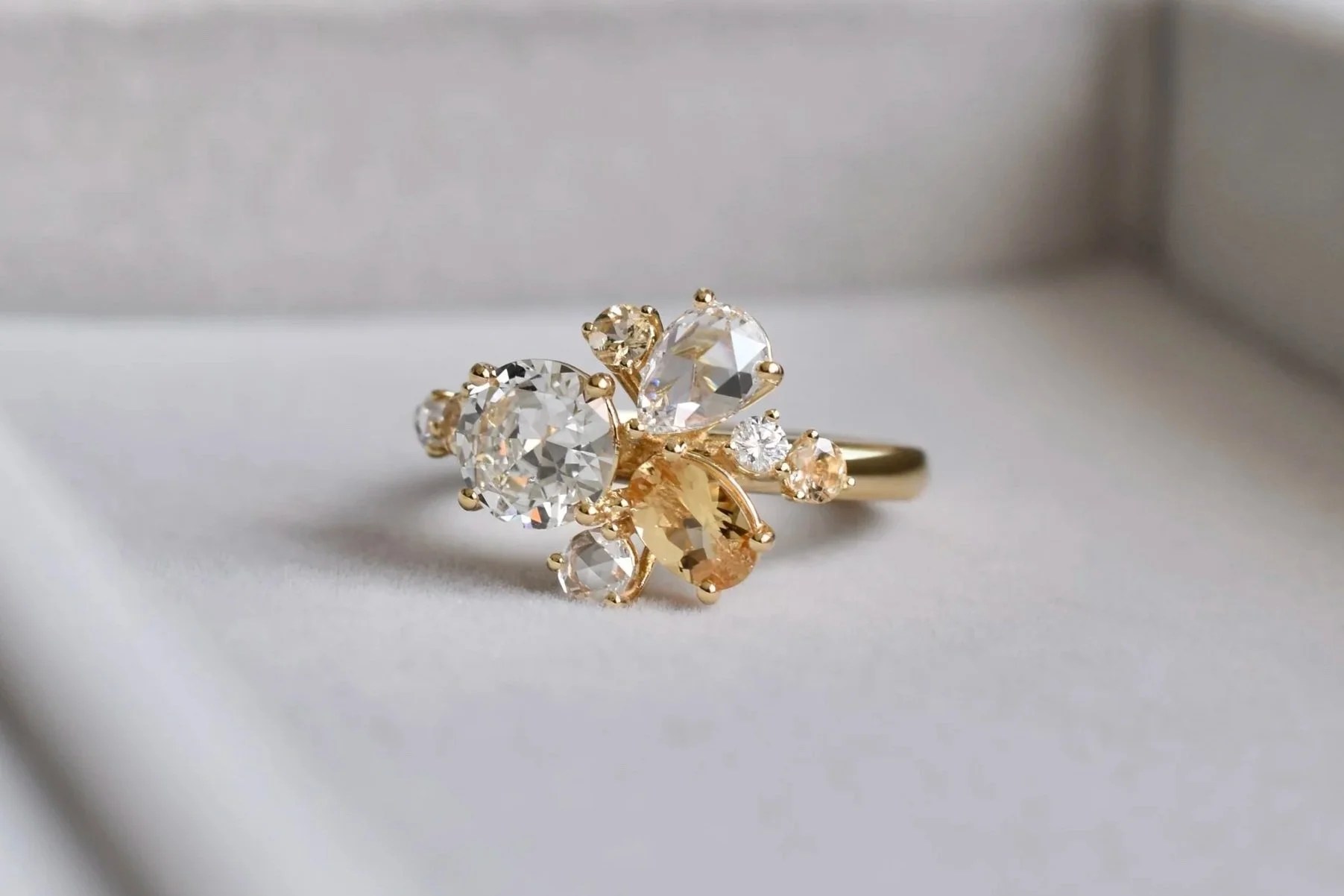
Yellow gold has made a decisive return in fine jewelry. On warmer skin tones especially, it is simply stunning.
Yellow gold was the dominant choice for engagement rings for generations, then fell out of favour during the platinum and white gold era of the early 2000s. It has returned with conviction, and for good reason.
18K yellow gold has a richness that is genuinely hard to replicate. It is the most hypoallergenic of the gold alloys, it pairs beautifully with both colourless and fancy coloured gemstones, and on medium to deeper skin tones it is, in our view, one of the most flattering choices available. It also photographs exceptionally well, which matters in Singapore's social media culture around proposals and weddings.
From a practical standpoint, yellow gold does not require as much replating. Its colour is natural and consistent. It is also the most traditional choice for a reason: it endures.
Words she might use for the women who gravitate to yellow gold: timeless, warm, vintage-inspired, classic.
White Gold: The Versatile, Modern Choice
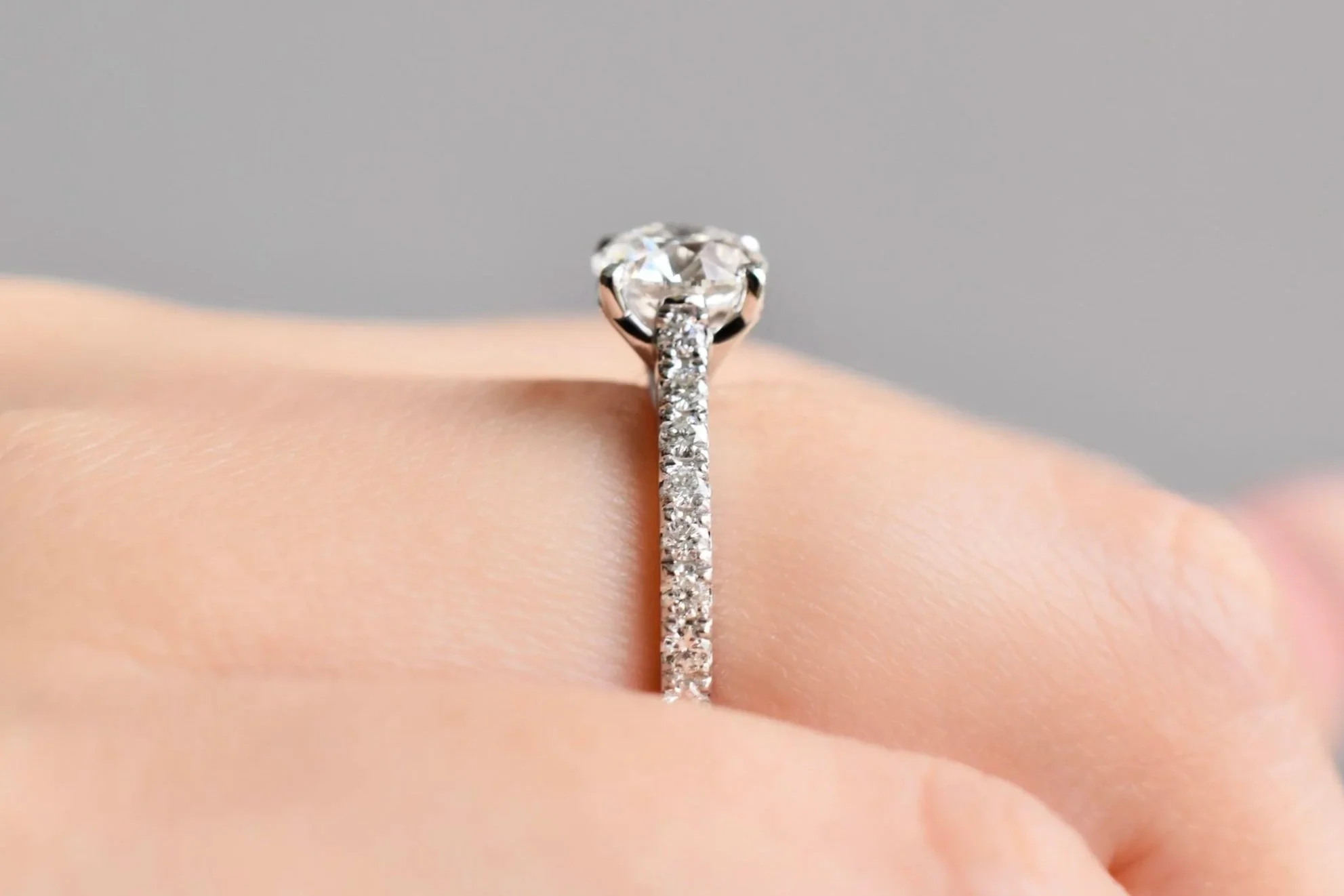
White gold's bright finish makes diamonds look their most brilliant. A simple replating keeps it looking pristine for decades.
White gold remains the most popular choice for engagement rings in Singapore, and it's easy to see why. Its bright, silvery appearance complements almost every gemstone beautifully, particularly colourless diamonds where maximum brilliance tends to be the goal. It also appeals to clients whose partners love the look of silver-toned jewellery but want the prestige of gold.
The replating consideration aside, white gold is an excellent choice for most lifestyles. It is more scratch-resistant and affordable than platinum, just as versatile, and with simple maintenance it can look as beautiful as the day you received it.
Rose Gold: For the Woman Who Wants Something Different
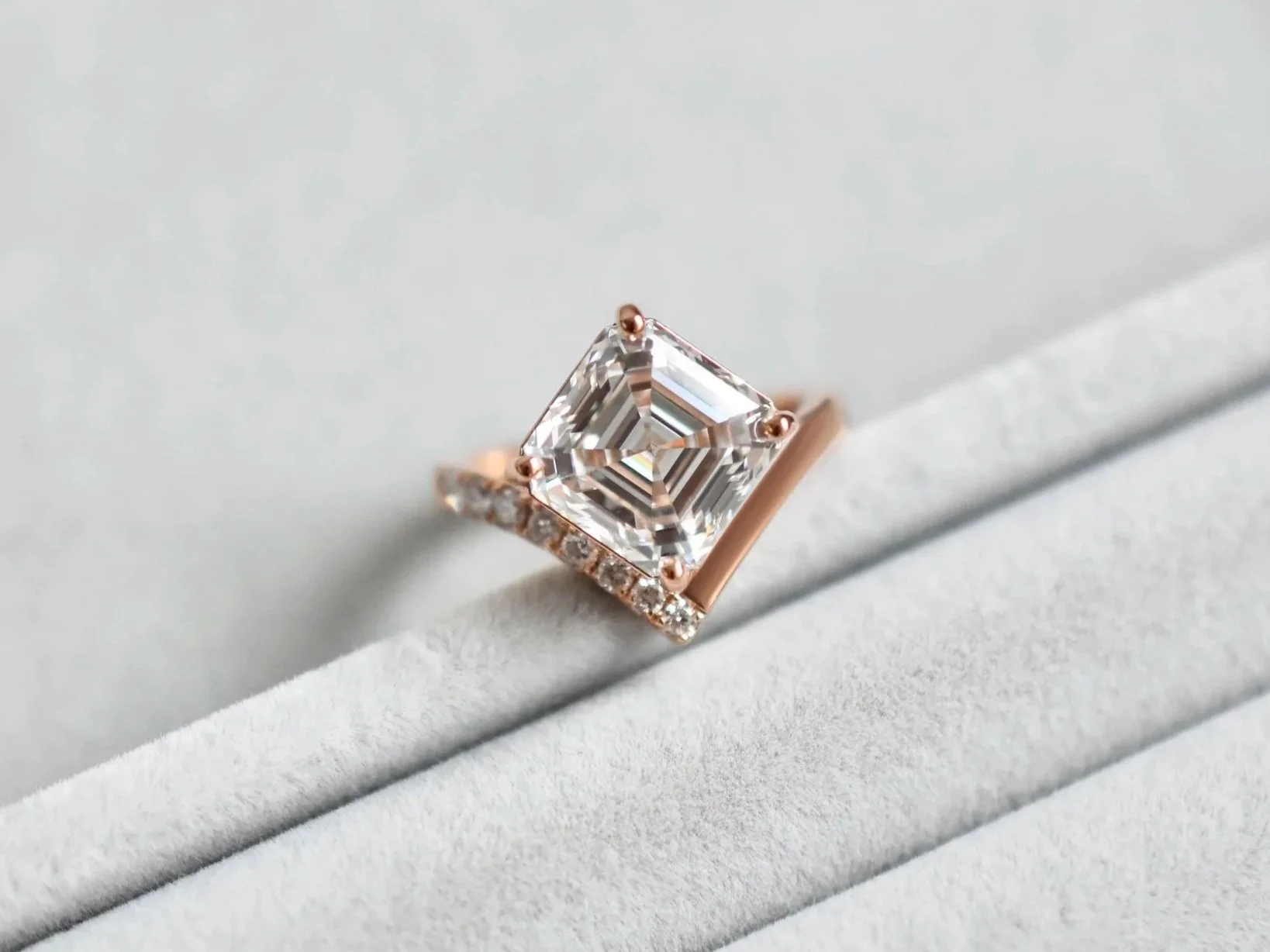
Rose gold brings warmth and personality to a ring. Less replating needed, and it flatters almost every skin tone.
Rose gold is the choice for someone who wants a ring that feels distinctly her own. Its warm, romantic hue sets it apart immediately from the crowd, and it flatters a wide range of skin tones exceptionally well.
It is worth noting that its colour comes from the copper alloy within the metal, so the colour is consistent throughout and does not fade. It is also one of the more durable gold alloys, as the copper content adds strength.
Rose gold pairs beautifully with pink sapphires, morganite, champagne diamonds, and salt & pepper diamonds. It also works strikingly well with colourless diamonds when the client wants the metal itself to be part of the visual story.
Our Honest Recommendation
We work with all four metals at August Bespoke and have no preference to push you in any particular direction. That said, here is our genuine guidance based on years of crafting rings for Singapore clients.
If she loves a classic, silver-toned look: white gold is more scratch-resistant and gives you everything platinum does at a better price point. With straightforward repolishing and replating, it can be restored to how it looked the day you received it.
If she leans towards warmth and loves vintage, European designs: yellow gold in 18K is hard to beat for a timeless family heirloom.
If she wants something that is entirely her own: rose gold is romantic, distinctive and flattering.
If she prioritises the absolute highest quality metal and does not mind the patina: platinum is a meaningful choice. It is the rarest, the densest, and carries a quiet prestige that serious jewelry lovers appreciate. Just go in knowing it will show scratches and develop a patina over time that cannot be fully reversed.
The metal you choose should reflect her personality and lifestyle, not just what looks best in a photo. That's a conversation worth having in depth.
Book a consultation today and bring photos of her style. We'll help you land on the right metal, the right stone and the right design.
Quick Reference: Metal Comparison at a Glance
One Last Thing: Skin Tone Matters More Than Most People Think
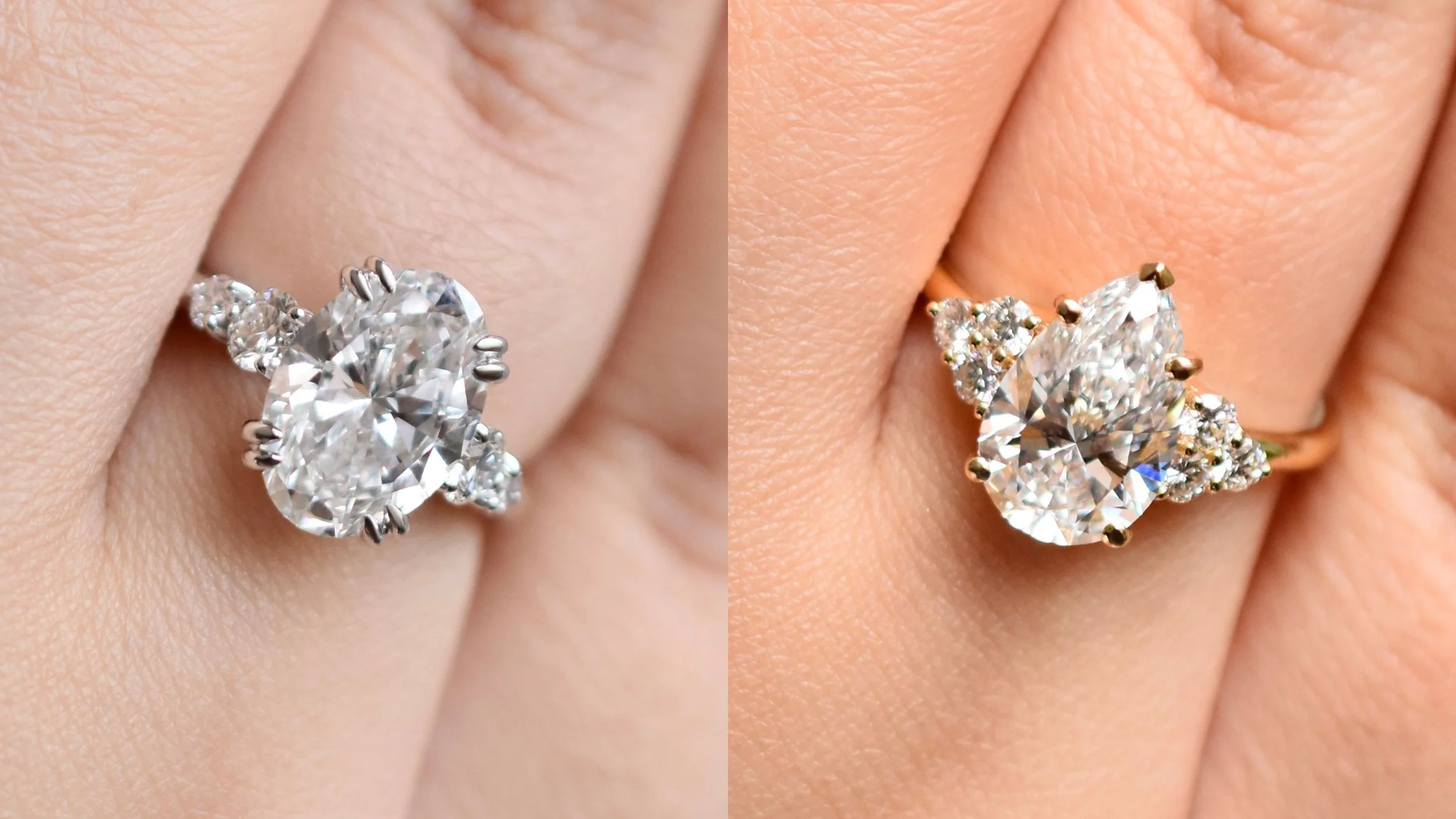
Skin tone is one of the most useful guides when choosing your metal colour. When in doubt, try both in natural light.
Before you decide on metal colour, hold a yellow and a white metal piece against her wrist in natural daylight. The difference is often immediately clear.
As a general guide: cooler, pinker skin tones tend to look beautiful with white gold and platinum. Warmer, olive and deeper skin tones often look most striking with yellow or rose gold. That said, this is a guideline, not a rule. Some of the most beautiful rings we have made have deliberately played against skin tone for a graphic, deliberate contrast.
If you are not sure, bring a photo to your consultation and we will give you our honest read.
Ready to Choose?
The metal decision is one of the first things we work through together in every August Bespoke consultation. It can set the tone for everything that follows: the stone shape, the setting style and the overall design direction.
You do not need to arrive with an answer. You just need to start the conversation.
Book your August Bespoke consultation, in person in Singapore or on Zoom, at a time that suits you.
